Prevent Veg-Tan Leather Wallets From Darkening Unevenly
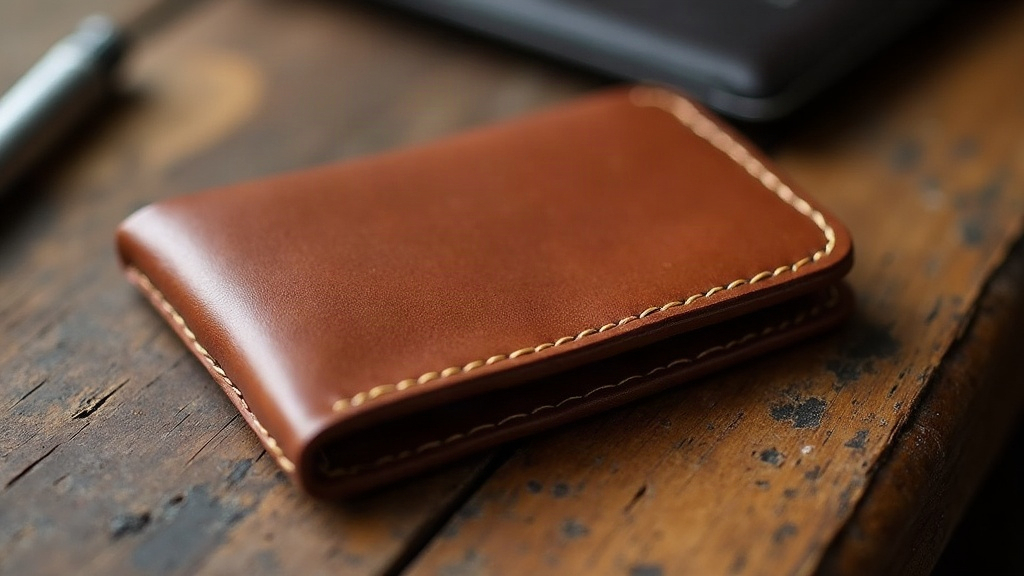
Why Veg-Tan Leather Darkens Unevenly in Humidity
Vegetable-tanned leather is raw and porous, nothing like the sealed, chrome-tanned stuff you find in mall-brand wallets. That’s the whole appeal, honestly. But it also means the leather drinks in moisture, oils, and UV light at wildly different rates depending on where it’s touched, carried, or left sitting.
Summer humidity throws three problems at your wallet at once:
- Sweat and body oils pool in predictable spots, the corners, the card slots, the center fold, and darken those areas faster than the rest.
- Ambient humidity gets absorbed unevenly, especially when your wallet rubs against different fabrics all day (cotton pocket lining one hour, synthetic gym shorts the next).
- Inconsistent sun exposure, even just a few minutes through a car window or next to a sunlit desk, speeds up oxidation on whichever side caught the light, leaving the other side pale by comparison.
Put those together and you get a wallet that looks blotchy and patchy rather than that smooth, even caramel color leather collectors chase.
Step-by-Step Prevention Strategy
1. Rotate Pocket Position Weekly
Carry your wallet in the same back pocket every single day and one side takes the brunt of sweat and friction while the other barely gets touched. Switch it up. Move it to a front pocket, a bag, the other back pocket, whatever, every few days. Spreading out the contact spreads out the darkening too.
2. Use a Leather Conditioner With UV Protection
A thin coat of a good conditioner, applied maybe once every 4 to 6 weeks over the summer, builds a light barrier that keeps moisture from soaking in unevenly. Beeswax or neatsfoot oil based products work well here. Stay away from anything silicone-based though, since silicone can trap moisture underneath and leave you with dark rings that are a pain to fix.
3. Avoid Direct Sun and Hot Cars
Don’t leave it on the dashboard. Don’t leave it on a windowsill all afternoon. Veg-tan leather darkens from UV exposure faster than most people expect, and it darkens unevenly, mostly on the side that caught the light.
4. Let It Breathe After Contact With Moisture
Wallet got damp from sweat, a sudden downpour, or just a muggy commute? Don’t shove it straight back in your pocket. Set it flat somewhere cool, dry, and out of direct light, and let it dry fully on its own. Stuffing it loosely with paper while it dries helps it keep its shape instead of curling or warping.
5. Use a Dust Bag or Breathable Pouch for Storage
Skip the plastic bag or sealed drawer when you’re not carrying it. A simple cotton dust bag breathes, while plastic locks humidity right up against the leather, which is one of the fastest ways to end up with those dark, uneven patches people complain about.
6. Keep Silica Gel Packs Nearby in Peak Humidity
During the stickiest stretch of summer, drop a small silica gel packet into wherever you store the wallet, a box, a drawer, doesn’t matter. It pulls excess moisture out of the air around the leather without drying out the hide itself.
What to Do If Darkening Has Already Started
Already seeing patchy spots? Here’s the fix:
- Condition the whole wallet, not just the dark patches. This helps the paler areas catch up in tone over the following weeks instead of falling further behind.
- Give the lighter side a bit more handling, a little more skin contact, some controlled sun, nothing extreme, just enough to nudge it toward matching the rest.
- Skip harsh cleaners and alcohol wipes. They strip the leather’s natural oils and tend to make the blotchiness worse, not better.
Give it time. Veg-tan leather evens itself out over months of regular, balanced use, as long as you cut out the extreme humidity and sun exposure that caused the problem to begin with.
Conclusion
Blotchy, uneven darkening in veg-tan wallets during humid months almost always traces back to the same culprits: inconsistent exposure to moisture, oils, and sunlight. Rotate how you carry it, condition it lightly and regularly, keep it out of direct heat and sun, and store it somewhere breathable. Do those four things and you’ll end up with an even, richly aged patina instead of a patchwork one. A bit of seasonal care now goes a long way toward keeping your leather looking good, and lasting, for years.