How to Fix Wax Bloom on Vegetable-Tanned Leather (Easy Guide)
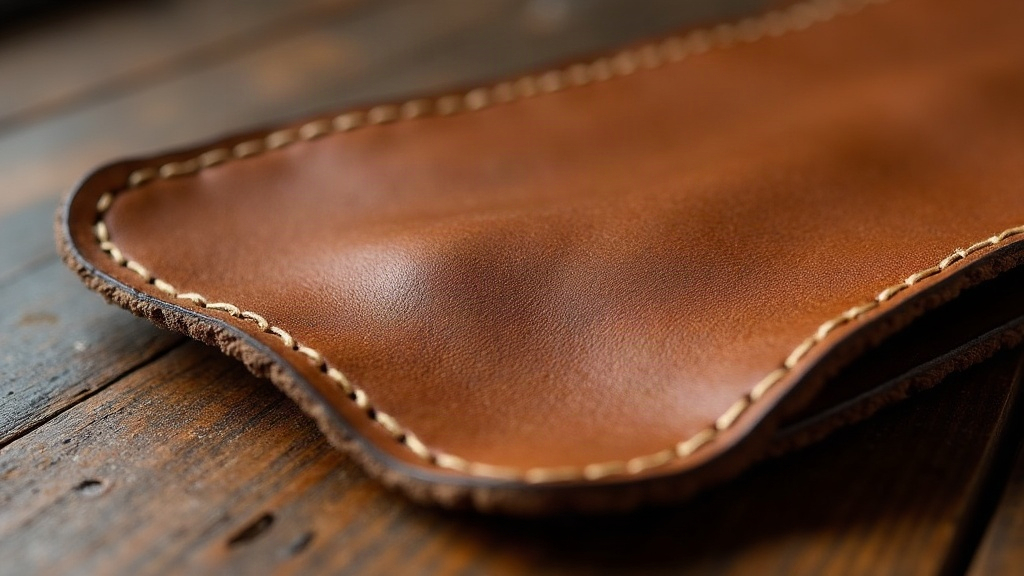
You pull your favorite vegetable-tanned leather boots out of the closet for autumn, only to find them covered in a creepy, hazy white film. Do not panic. You are likely just looking at wax bloom, a completely harmless quirk of high-quality leather. The fix takes about three minutes and requires nothing more than basic items you already have lying around the house. This cloudy, grayish layer appears when the heavy waxes used during the tanning process slowly creep up to the surface of the hide and crystallize. It looks like a disaster. It is actually just basic chemistry.
What Exactly Is Wax Bloom?
Wax bloom (frequently called “leather bloom” or “fatty bloom”) is a totally natural byproduct of traditional leather crafting. Tanneries and artisans pack hides with rich conditioning agents like tallow, beeswax, or carnauba wax to keep the material supple for decades. Over time, those heavy compounds migrate outward. A sudden drop in temperature causes them to freeze and solidify into a fine, dusty layer on top of your favorite wallet or satchel.
You will usually spot this ghostly residue in a few specific scenarios:
- After pulling leather gear out of a freezing garage, a damp basement, or a cold car trunk.
- Right after unboxing a new item that just spent three days shivering in the back of a delivery truck.
- On items heavily conditioned with natural beeswax or thick animal tallows.
- Across the surface of raw, undyed, or lightly sealed veg-tan pieces (heavy synthetic paints usually trap the wax inside, but natural finishes let the leather breathe).
Here is the absolute most important takeaway. Wax bloom is not mold, it is not permanent damage, and it certainly does not mean you bought cheap leather. You are just seeing crystallized conditioning fats taking a nap on the surface.
How to Tell Wax Bloom Apart from Mold
Before you start scrubbing, you need to be entirely sure you are not dealing with a fungal issue. Mold spores require a totally different battle plan.
- Wax bloom: Feels dry and powdery to the touch. It has absolutely no smell. You can easily wipe a patch away with your bare thumb, and it often pools in heavily worked areas like flex creases or stitched edges.
- Mold: Looks fuzzy, spotty, or green. It carries that distinct, nasty, musty basement odor. Mold thrives in stagnant, humid environments and will probably leave permanent dark stains even after you scrub it off.
Did your bag spend the summer in a humid, dark shed? Does it smell like an old damp sponge? Treat it as mold first. Grab a diluted vinegar solution or a dedicated antifungal leather soap before you even think about buffing.
Step-by-Step: How to Fix Wax Bloom on Vegetable-Tanned Leather
1. Warm the Leather Slightly
Wax acts just like butter. It softens with a little bit of heat. Raising the temperature slightly makes the crystallized fats pliable enough to push back into the pores of the hide.
- Plug in a standard hairdryer on the low, cool-to-warm setting. Hold the nozzle about 6 to 8 inches away from the leather, keeping it moving so you do not scorch the surface.
- Alternatively, just let the piece sit in a cozy, heated room for a few hours. Keep it far away from direct window sunlight or harsh space radiators. Extreme localized heat will dry out the leather and crack it.
2. Wipe with a Soft, Lint-Free Cloth
Once the surface feels vaguely warm to the touch, it is time to work the wax.
- Grab a clean microfiber towel or an old, soft cotton t-shirt.
- Rub the cloudy patches firmly using tight, circular motions.
- For most leather goods, this takes under two minutes. You will watch the dull, matte haze vanish as the natural friction works the oils back into the grain, instantly restoring the rich shine.
3. Use Light Friction for Stubborn Spots
Sometimes a simple cloth will not cut through older, thicker crystallization.
- Grab a traditional horsehair brush or a perfectly clean shoe dauber.
- Hit the leather with brisk, rapid, back-and-forth strokes.
- You are not trying to dig into the leather. You want the rapid friction of the bristles to generate a tiny amount of localized heat, melting the stubborn wax flat.
4. Optional: Apply a Small Amount of Neutral Conditioner
If your vigorous brushing left the leather looking a little thirsty, feed it. Rub in a very thin coat of a neutral, completely wax-free liquid conditioner. Do not slather on heavy balms or thick beeswax pastes right now. Piling more heavy wax onto a piece that just bloomed is a guaranteed way to trigger the exact same problem next week.
5. Let It Rest and Re-Check
Walk away and let the leather sit at normal room temperature for a full 24 hours. The fats inside the hide will occasionally shift and resettle during this cooling window. You might wake up to find a very faint haze has returned. If so, just give it one more quick brush.
Preventing Wax Bloom From Coming Back
- Store leather at a stable room temperature. Keep your prized jackets and boots out of freezing garages, unheated entryway closets, and car trunks.
- Stop over-conditioning. Leather is a sponge, but it has a limit. Apply conditioners very sparingly. If the leather stops absorbing the balm, wipe the excess off immediately.
- Use breathable cotton dust bags. Never trap natural leather inside a sealed plastic bin or a garbage bag. Plastic traps moisture and condensation, practically begging for bloom or mold to take hold.
- Avoid severe temperature shocks. If your briefcase just sat in a freezing car for five hours, do not immediately throw it next to a blazing fireplace. Let the leather acclimate to the indoors slowly.
When to Seek Professional Help
What if you buffed, brushed, and warmed the piece, but the cloudy mess remains? If the mysterious film feels intensely sticky, leaves greasy stains on your fingers, or smells rancid, put down the brush. You are no longer dealing with simple wax bloom. You might be facing a factory defect in the acrylic finish or a deep-rooted fungal infection. At this point, you should snap a few photos and reach out to a professional cobbler or the original artisan for guidance.
Final Thoughts
Wax bloom genuinely looks terrifying the first time you see it on an expensive investment piece. Yet, a soft cloth and a little bit of physical friction are usually enough to coax your favorite vegetable-tanned leather back to life. Think of this powdery residue as proof of authenticity. It is a simple, tactile reminder that your boots or bag are crafted from a natural, breathable material that reacts to the world around it.