Why Your Waxed Thread Keeps Fraying (And How to Stop It)
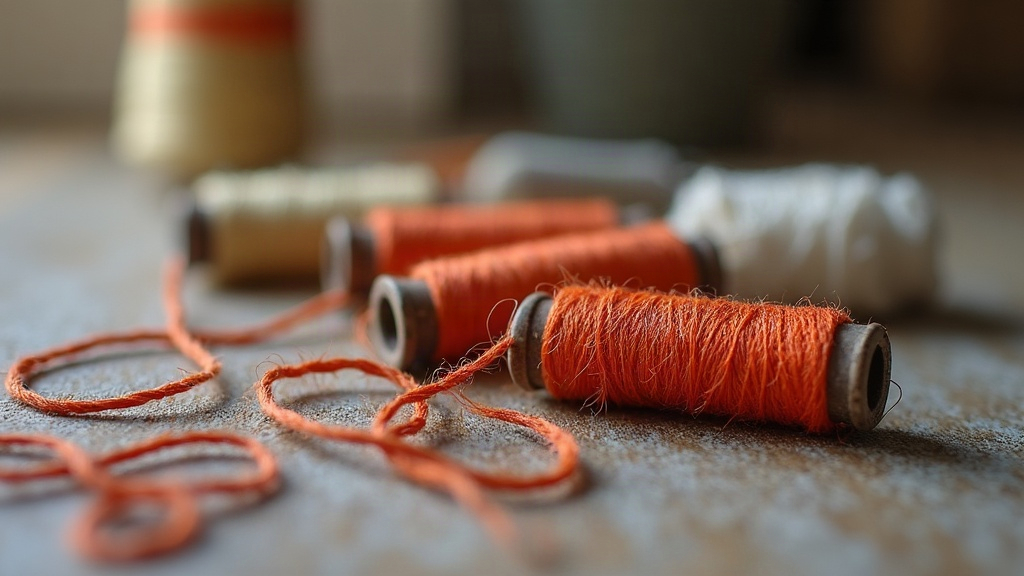
If your waxed thread keeps fuzzing up, splitting, or snapping flat-out halfway through a seam, you are probably dealing with one of five common culprits. Dry wax, a dull needle, impossibly tight stitching holes, garbage thread, or a heavy hand can all ruin a perfectly good stitch line. Good news? You can usually fix the issue right at your workbench. You do not need to throw out your entire thread stash just yet.
Why Waxed Thread Frays in the First Place
Waxed thread fights off abrasion by design. But that wax coating is just a thin shield. It is not Kevlar armor. Once that protective layer rubs off, the raw fibers underneath take the brunt of the friction. Whether you are using linen, polyester, or cotton, raw fibers rubbing against rough leather edges will eventually fuzz, split, and snap.
1. The Wax Has Worn Off or Was Never Even
Budget pre-waxed thread is notorious for spotty coating. You might find a thick glob of wax in one section and absolutely dry fiber a foot down the spool. As you drag this uneven thread through a leather project, the sparse wax vanishes entirely. You are left scraping bare fibers through tight holes.
Fix: Hand-wax your thread before you start punching holes. Grab a solid block of beeswax or a dedicated leathercraft blend. Run your cut length of thread across the block two or three times. Then, pinch the thread between your thumb and index finger and pull it through quickly. The friction from your fingers heats the wax and melts it directly into the core fibers.
2. Your Needle Is Too Small (or Too Dull)
Forcing a thick thread through the eye of a tiny needle creates a permanent pinch point. Every single time that needle passes through the leather, the narrow eye violently scrapes against the thread. Add a dull needle tip to the equation, and you are practically chewing the fibers apart.
Fix: Pair your tools correctly. If you are working with standard 0.6mm to 0.8mm linen thread, pick up a size 002 or 004 harness needle. Do not get overly attached to your needles. They cost pennies compared to the time you will waste picking out a ruined stitch. Swap them out when they lose their glide.
3. Stitching Holes Are Too Tight
Have you ever tried shoving a garden hose through a drinking straw? That is what happens when you use an undersized pricking iron. If your holes are smaller than the diameter of your waxed thread, you create a massive bottleneck. Saddle stitching means two needles cross through that same tiny hole. The intense compression physically strips the wax off and shreds the core.
Fix: Punch a few test holes in a scrap piece of leather. Push a threaded needle through. You want a feeling of light, smooth resistance. You should never have to yank it with pliers. A diamond awl angled just slightly wider than your thread diameter usually creates the perfect channel.
4. You’re Pulling Too Fast or at the Wrong Angle
We all want to finish our projects faster. But yanking your thread at a sharp, aggressive angle multiplies the friction tenfold. Pulling at lightning speed also generates a surprising amount of friction heat. That heat literally melts the wax off the thread before the stitch even settles.
Fix: Slow down. Pull each stitch out to the sides in a slow, steady, straight line away from the hole. Clamp your work in a stitching pony. If you try to hold a wallet in your lap while fighting the thread, you will naturally pull at weird, damaging angles.
5. Low-Quality Thread
Sometimes the technique is flawless, but the materials are working against you. A lot of cheap, bonded polyester threads feature low-twist construction and virtually zero wax penetration. They will fray even if you do everything perfectly. Do not let cheap materials trick you into thinking your technique is bad.
Fix: Spend a little extra on the good stuff. Reputable spools like Ritza Tiger Thread, Vinymo, or top-tier genuine linen from established leathercraft suppliers are worth the investment. A premium spool costs a few dollars more upfront but saves you hours of frustration.
Quick Troubleshooting Checklist
- Re-wax your lengths manually before settling in for a long session.
- Verify your harness needle eye comfortably accommodates your thread gauge.
- Punch a few test holes on scrap leather to check the drag.
- Pull outward at a steady pace. Keep the angle straight.
- Try a premium spool like Ritza or Vinymo if the fraying just will not stop.
Conclusion
Dealing with fuzzy, broken thread is a headache you can entirely avoid. Look closely at your friction points. Check your wax coverage, match your needle size, and punch appropriate holes. Give yourself a proper setup with a stitching pony so you can pull straight and steady. Once you lock down these basic physical mechanics, your seams will lay down flat, clean, and tight every single time.