Kangaroo Leather Lace vs Calfskin Lace for Whip Braiding
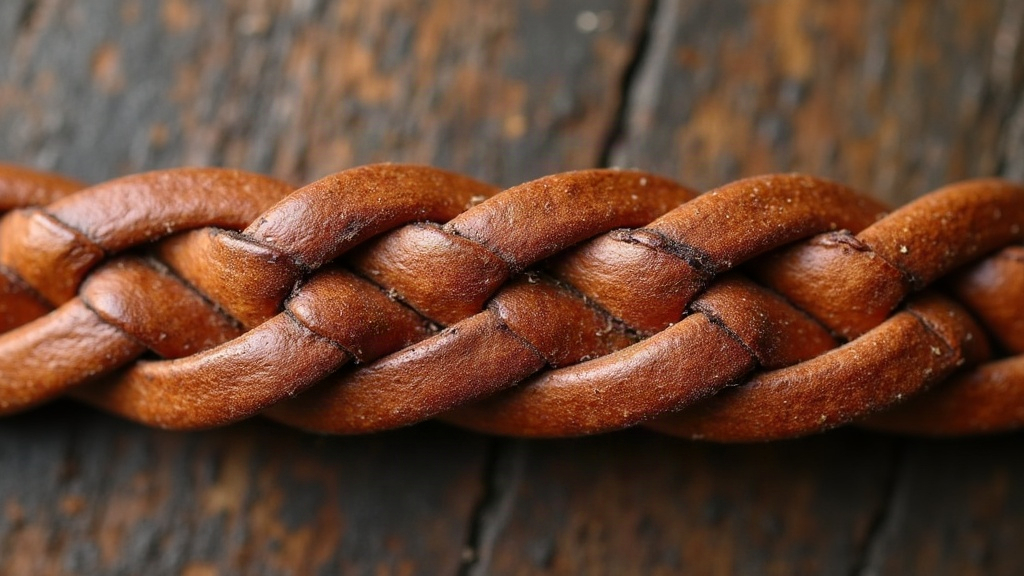
Kangaroo leather lace beats calfskin on almost every metric that matters at the plait: strength-to-thickness ratio, consistency, long-term durability. Calfskin still earns its keep, though, as a budget-friendly option for beginners and practice pieces. If you’re trying to figure out which lace to buy for your next bullwhip, signal whip, or snake whip project, here’s how these two materials actually perform once you’ve got them in your hands.
Why the Lace Material Matters So Much
The lace in a whip isn’t decoration. It’s structure. Every strand carries tension as it wraps over the core, and the finished whip’s weight, flexibility, and crack all trace back to the lace’s tensile strength and how thin you can cut it before it starts tearing. Ask any serious plaiter why they’re so fussy about sourcing their hides, and this is the answer you’ll get.
Kangaroo Leather Lace: The Industry Standard
Kangaroo hide has become the default material for serious whip makers. There are real reasons for that, not just tradition:
- Exceptional tensile strength. Kangaroo leather runs roughly 10 times stronger than cowhide at the same thickness, a result of the tight, uniform fiber structure in the skin itself.
- Cuts thinner without weakening. Because the strength margin is so high, kangaroo lace can be split down to 1.5–2mm strands for fine 12-24 plait whips and still hold up through repeated cracking.
- Consistent grain quality. Kangaroo hides carry fewer stretch marks and scars than cattle hides, so your lace stays more uniform in length and width across a whole project. That matters a lot when you need dozens of matching strands and can’t afford one weak link in the braid.
- Lightweight, dense feel. A kangaroo-laced whip tends to run lighter for its size, which translates into faster handling and sharper crack accuracy.
- Higher cost. Kangaroo lace typically costs significantly more than calfskin, and good hides (often shipped in from Australia) can get harder to find depending on where you live and what the export rules look like that month.
Most professional bullwhip makers in Australia and the US, the two traditional centers of the craft, reach for kangaroo lace almost exclusively once they’re building a performance-grade whip.
Calfskin Lace: Accessible and Forgiving
Calfskin is the more common choice, especially among hobbyists just getting started:
- Lower cost and easier sourcing. You’ll find calfskin lace at nearly every leather supplier, and it runs a fraction of the price of kangaroo hide.
- Softer, more forgiving to work with. Beginners usually find it easier to handle, stretch, and tension evenly while they’re still learning basic patterns like a 4- or 8-plait.
- Lower tensile strength. It needs to be cut thicker to match kangaroo’s strength, which caps how fine a plait you can run and adds extra bulk and weight to the finished whip.
- More prone to stretching over time. Calfskin can loosen and sag with repeated use and shifts in humidity, so you’ll be re-tensioning or maintaining it more often.
- Less uniform grain. Cattle hides show more natural blemishes, which means more waste when you’re trying to cut consistent strands.
Side-by-Side Comparison
| Factor | Kangaroo Leather Lace | Calfskin Lace |
|---|---|---|
| Strength per thickness | Very high | Moderate |
| Ideal plait count | 12-24+ fine plaits | 4-8 plait, thicker work |
| Cost | Premium | Budget-friendly |
| Longevity | Excellent | Good, needs upkeep |
| Beginner-friendliness | Moderate (less forgiving) | High |
| Weight of finished whip | Lighter | Heavier |
Which Should You Choose?
- Learning to braid? Start with calfskin. Practice your tension control and basic patterns without stressing over wasting expensive material every time you botch a strand.
- Building a performance whip for cracking or trick work? Spend the money on kangaroo leather lace. The strength and fine-plait capability show up immediately in how the whip handles and sounds.
- Tight budget but still want durability? Kip leather (young cattle) makes a decent middle ground, though it still falls short of kangaroo’s strength.
- Replacing an overlay or belly on an existing whip? Stick with the original material if you can. Mixing lace types creates uneven stretch and wear patterns that will bite you later.
Final Thoughts
Both materials have earned their place in whip braiding. Calfskin is where new braiders should start, affordable and workable while you’re building skill. Kangaroo leather is what the professionals reach for when strength, fine detail, and long-term performance actually matter. Which one you pick comes down to your skill level, your budget, and what kind of whip you’re building. Get a handle on these differences early and you’ll save yourself both money and frustration at the plaiting table.