Goat Leather vs Sheepskin for Soft-Lined Eyeglass Cases
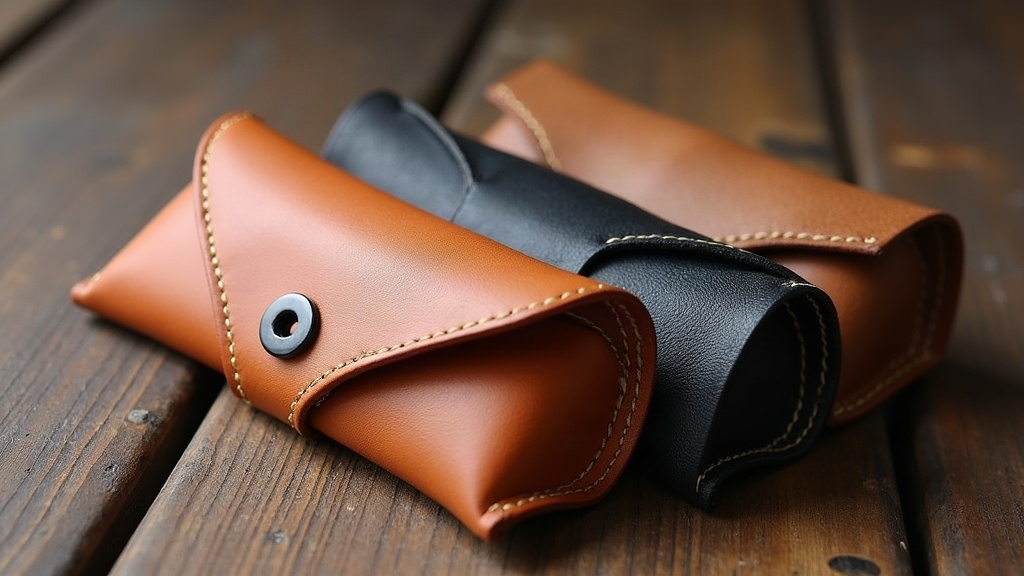
If you’re commissioning or buying a handmade eyeglass case, the lining material matters almost as much as the exterior. Goat leather offers a firmer, more durable lining with a naturally grippy texture, while sheepskin delivers a plush, ultra-soft feel that cushions lenses but wears down faster. Which one’s right for you really comes down to a simple tradeoff: do you want something that lasts, or something that feels incredible against your lenses from day one?
Why Lining Material Matters for Eyeglass Cases
A good lining protects your glasses from two specific threats: scratches on the lens surface and micro-abrasions on coatings like anti-glare, blue light filters, or photochromic layers. The exterior shell handles the structural side of things, sure, but it’s the lining that actually touches your lenses every single time you slide them in. You could have the most beautifully stitched case in the world, and a cheap or wrong-fit lining will still chew up your lenses over a few months.
Goat Leather: Durability with a Natural Texture
Goat leather has a long history in handmade leather goods, mostly because of its strength-to-weight ratio. It’s naturally rich in lanolin, which gives it that slightly textured, almost pebbled grain you can feel under your thumb.
Pros:
- High tensile strength, meaning it resists tearing even when cut thin for lining use
- Natural water resistance from its inherent oils, so it holds up better in humid conditions
- Ages well, developing a soft patina over years without losing its shape
- Breathable, which cuts down on moisture buildup inside a closed case
Cons:
- Noticeably less plush than sheepskin. It’s soft, but not “sink your fingers in” soft
- Needs a skilled tanner, otherwise thin cuts can end up stiff and unpleasant
If you’re the type who tosses your case into a backpack every morning, commutes with it, or travels constantly, goat leather is the more sensible pick. It’s built for abuse.
Sheepskin: Maximum Softness and Cushioning
Sheepskin lining, often shearling-backed or finished in suede, is what artisans reach for when pure tactile comfort is the goal. Its fiber structure is looser and more open than goat leather’s, and that’s precisely what gives it that velvety, almost cloud-like softness.
Pros:
- Unmatched softness, ideal for protecting delicate lens coatings
- Excellent cushioning, absorbing small impacts better than firmer leathers
- Warm, luxurious feel, which is why it shows up in premium or gift-tier cases so often
Cons:
- Lower abrasion resistance. That loose fiber structure thins out with repeated use
- More sensitive to moisture, which can mat the fibers over time
- Pricier per square foot, thanks to sourcing and the extra processing involved
Sheepskin makes the most sense for occasional-use cases, display pieces, or as a small luxury upgrade for reading glasses that mostly sit on a desk or nightstand.
Side-by-Side Comparison
| Factor | Goat Leather | Sheepskin |
|---|---|---|
| Softness | Moderate-soft | Very soft/plush |
| Durability | High | Moderate |
| Scratch protection | Very good | Excellent (short-term) |
| Moisture resistance | Good | Fair |
| Best for | Daily carry | Occasional/premium use |
| Typical cost | Mid-range | Higher |
What Should You Choose?
A few honest questions to ask yourself before deciding:
- Do you use your glasses daily and carry the case in a bag or pocket? Go with goat leather. It’s built for that kind of wear.
- Are your glasses expensive, with delicate coatings like progressive, anti-reflective, or photochromic layers? Sheepskin’s cushioning gives you better short-term protection, just know you’ll likely need to re-line or replace it down the road.
- Do you live somewhere humid? Goat leather’s natural oils make it noticeably more resilient here.
- Is this a gift, or something meant for display? Sheepskin’s luxurious texture makes for a much better unboxing moment.
A lot of skilled leatherworkers will also offer a hybrid option: a goat leather exterior with a sheepskin panel lining only where the lens actually rests. You get durability on the outside and softness exactly where it counts.
Caring for Each Lining
- Goat leather: Wipe clean with a dry cloth. Condition every 6 to 12 months with a light leather conditioner.
- Sheepskin: Keep it dry, out of direct sunlight, and gently brush the fibers back into shape if they start to mat.
Conclusion
Both goat leather and sheepskin make excellent linings, they just serve different priorities. Pick goat leather if you want something that holds up to daily wear without complaint. Pick sheepskin if softness and that premium feel matter more to you than longevity. And if you genuinely can’t choose, just ask your leatherworker about a hybrid lining. You don’t have to pick a side.